Surfing is a sport deeply tied to nature. And yet every conventional surfboard releases between 6 and 8 kilos of CO₂ equivalent, uses toxic chemicals and often ends up in landfill after a few years. It's a contradiction that a growing number of European shapers are trying to solve.
The problem with conventional boards
The typical surfboard is made with an expanded polyurethane (PU) core, reinforced with fibreglass and polyester resin. Almost none of it is recyclable. PU comes from oil, the resin releases styrene (a carcinogen) as it cures, and the offcuts end up as industrial waste.
The good news is that real alternatives exist. And in Europe there are workshops that have been building them for more than a decade.
Wooden boards: an ancient craft making a comeback
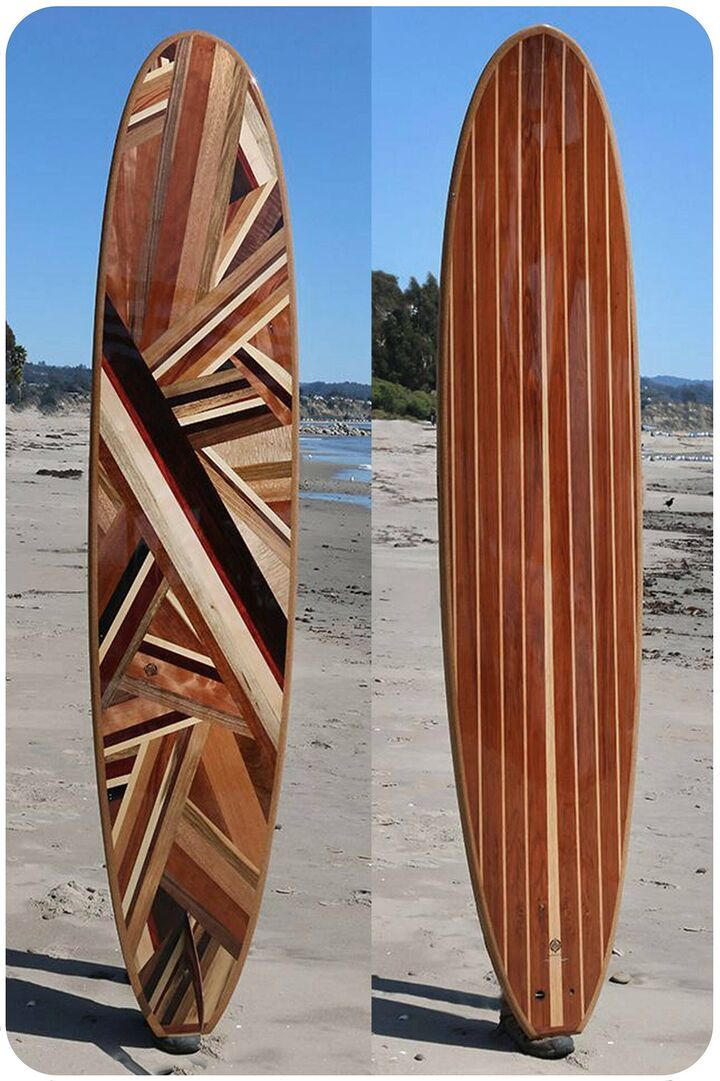
The first surfboards were solid wood. Today, shapers who make wooden boards use "hollow wood" techniques: a light internal frame (often paulownia, balsa or cedar) skinned with thin wood strips and sealed with natural epoxy or flax.
Pros: huge durability (a well-cared-for wooden board lasts decades), stunning looks, renewable materials. Cons: they're a bit heavier, more expensive (between €900 and €2,500) and need different care.
Europe has a handful of iconic workshops:
- Kun Tiqi (Langre, Cantabria, Spain), the Spanish benchmark.
- Jabali Surfboards (Braga, Portugal).
- Truwood Surfboards (Ripollet, Barcelona).
- Flamasurf (Barcelona).
- UhainaPo (Bidart, France).
- Koad Surfboards (Zurzur, France).
- Linfa Surfboards (Bologna, Italy).
- No-Made Surfboards (Teramo, Italy).
- Wau Eco Surfboards (Munich, Germany).
- Blackwood Boards (Aachen, Germany).
You can filter the directory by wooden boards to see the full list.
Eco boards: industry trying to do it right
The other route is to keep the modern format (EPS + epoxy) but use bio-based materials. Plant-based resins (epoxy made from oils), flax or jute fibres instead of fibreglass, and recycled cores are changing the picture.
The European benchmark is Notox (Anglet, France), pioneers of ECOBOARD certification and transparent processes. Others such as Fatlines, Squid (Bretignolles-sur-Mer) and Polen Surfboards have also brought in eco processes.
European shapers to follow
Beyond those already mentioned, there's a new crop of younger shapers doing interesting things: 1974 Surfboards in Portugal, Linfa in Italy, Wau in Germany, Truwood in Spain. Most of them are active on Instagram and share a lot of their process, which is a fun way to learn about boards.
How to choose a more sustainable board
Five questions to ask your shaper:
- Which resin do you use? (Eco resins are green or yellowish; conventional ones aren't.)
- Where do your blanks come from?
- Do you recycle or reuse the offcuts?
- How long does a well-cared-for board of yours last?
- Do you have a repairable or recyclable option at the end of its life?
If they answer honestly and knowledgeably, you're halfway to a decision. Real sustainability isn't on a label; it's in a conversation.
Filter the directory by eco boards or wood to start exploring.